The Golden Temple's Langar: How Sikhs Feed 100,000 People Daily for Free
Inside the world's largest free kitchen, where volunteers serve meals to anyone regardless of religion, caste, or background.
Feeding the World
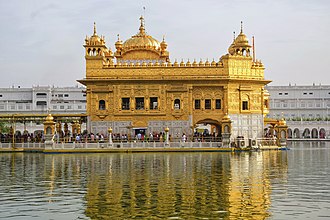
Every day, the Golden Temple in Amritsar serves over 100,000 free meals — making its langar (community kitchen) the largest free kitchen on the planet. On weekends and holidays, that number can exceed 200,000.
The Principle of Langar
The langar tradition was established by Guru Nanak, the founder of Sikhism, in the 15th century. Its purpose is revolutionary: everyone sits on the floor together and eats the same simple food, regardless of religion, caste, wealth, or social status. Kings and beggars eat side by side.
This radical equality was a direct challenge to India's caste system, which strictly separated people by birth status — especially regarding food and dining.
How It Works
The kitchen operates 24 hours a day, 365 days a year. The operation involves:
Visitors — including non-Sikhs — are warmly welcomed to both eat and volunteer. Washing dishes is considered as honorable as any other service.
The Message
The langar embodies Sikhism's core principle of seva (selfless service). In a world of inequality, the Golden Temple demonstrates daily that feeding others is itself a form of worship, and that true spirituality requires serving your fellow human beings.
As one volunteer put it: "Here, you don't just feed stomachs. You feed dignity."