Understanding the Hajj: Islam's Greatest Pilgrimage
Every year, millions of Muslims converge on Mecca for the Hajj. Learn about the rituals, requirements, and profound spiritual significance of this journey.
The Fifth Pillar of Islam
The Hajj pilgrimage to Mecca is one of the Five Pillars of Islam — a religious duty that must be carried out by every able-bodied Muslim who can afford it at least once in their lifetime. It takes place during the 8th to 12th days of Dhul Hijjah, the last month of the Islamic calendar.
The Rituals
Ihram
Before entering Mecca, pilgrims enter a state of spiritual purity called Ihram. Men wear two white seamless cloths; women wear modest clothing. This dress code eliminates distinctions of wealth and status — before God, all are equal.
Tawaf
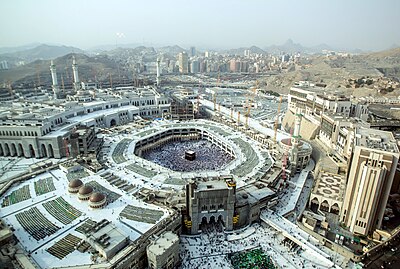
Pilgrims circulate the Kaaba seven times counterclockwise. This ancient cube-shaped structure, believed built by Prophet Abraham, is the qiblah — the direction all Muslims face during prayer.
Sa'i
Pilgrims walk seven times between the hills of Safa and Marwa, commemorating Hagar's desperate search for water for her infant son Ishmael. Today, the route is enclosed within the mosque complex.
Arafat
On the 9th of Dhul Hijjah, pilgrims gather at the Plain of Arafat from noon to sunset. This is considered the climax of the Hajj — standing before God in prayer and supplication. Prophet Muhammad delivered his final sermon here.
Muzdalifah and Mina
After sunset at Arafat, pilgrims collect pebbles at Muzdalifah and proceed to Mina, where they stone three pillars symbolizing the rejection of evil.
The Spiritual Impact
For many Muslims, Hajj is the most profound experience of their lives. The gathering of millions from every nation, speaking every language, dressed identically in white, creates an overwhelming sense of human unity and divine presence.