Where Faiths Meet: Holy Sites Shared by Multiple Religions
Some of the world's most fascinating sacred places are claimed by two or more religions. Stories of shared worship and contested ground.
Sacred Sharing
In a world often divided by religious difference, some holy sites bring traditions together — sometimes harmoniously, sometimes contentiously. These shared sacred spaces reveal both the best and most complicated aspects of interfaith relations.
Hagia Sophia, Istanbul
Cathedral for 916 years, mosque for 481 years, museum for 86 years, mosque again since 2020. This building embodies the layered religious history of a city that has been the capital of both Christian and Islamic empires. Today, Byzantine mosaics of Christ and the Virgin Mary coexist with Islamic calligraphy praising Allah.
Temple Mount / Haram al-Sharif, Jerusalem
Perhaps the most contested sacred site on Earth. The holiest site in Judaism (where the Temple stood) and the third holiest in Islam (Al-Aqsa Mosque and Dome of the Rock). Access is governed by complex, frequently tense agreements.
Adam's Peak, Sri Lanka
The footprint at this mountain's summit is claimed by four religions: Buddhists say it's Buddha's footprint, Hindus attribute it to Shiva, Muslims and Christians believe it's Adam's first step after leaving Eden. All four groups pilgrimage here peacefully.
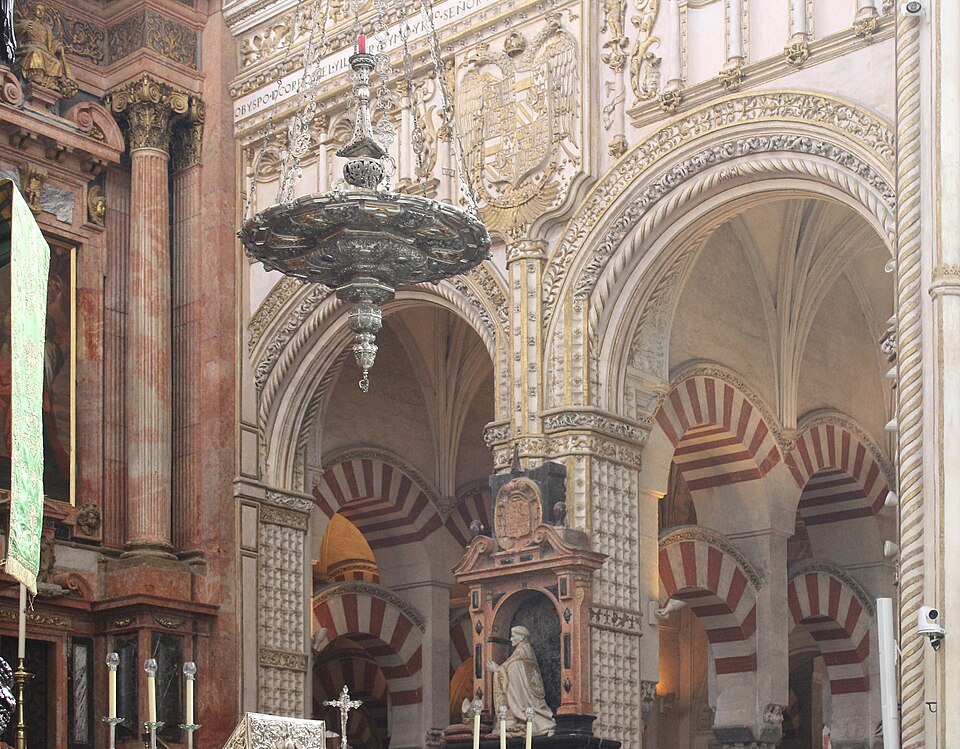
Mezquita of Córdoba, Spain
A Visigothic church became one of the world's greatest mosques, then had a Renaissance cathedral inserted into its center after the Reconquista. The result is architecturally jarring but historically fascinating — two religions sharing one building across a millennium.
Ajmer Sharif, India
This Sufi shrine in Rajasthan attracts Muslims, Hindus, Sikhs, and Christians alike. The saint Khwaja Moinuddin Chishti taught that love transcends religious boundaries — and his shrine proves him right daily.
What Shared Sites Teach Us
These places remind us that the sacred isn't owned by any single tradition. When we can share holy ground — however imperfectly — we demonstrate that the spiritual impulse uniting humanity is stronger than the doctrines that divide us.