Sustainable Pilgrimage: How to Visit Holy Sites Without Harming Them
Mass tourism threatens many sacred sites. Here's how to be a responsible pilgrim who protects the places you visit.
The Paradox of Sacred Tourism
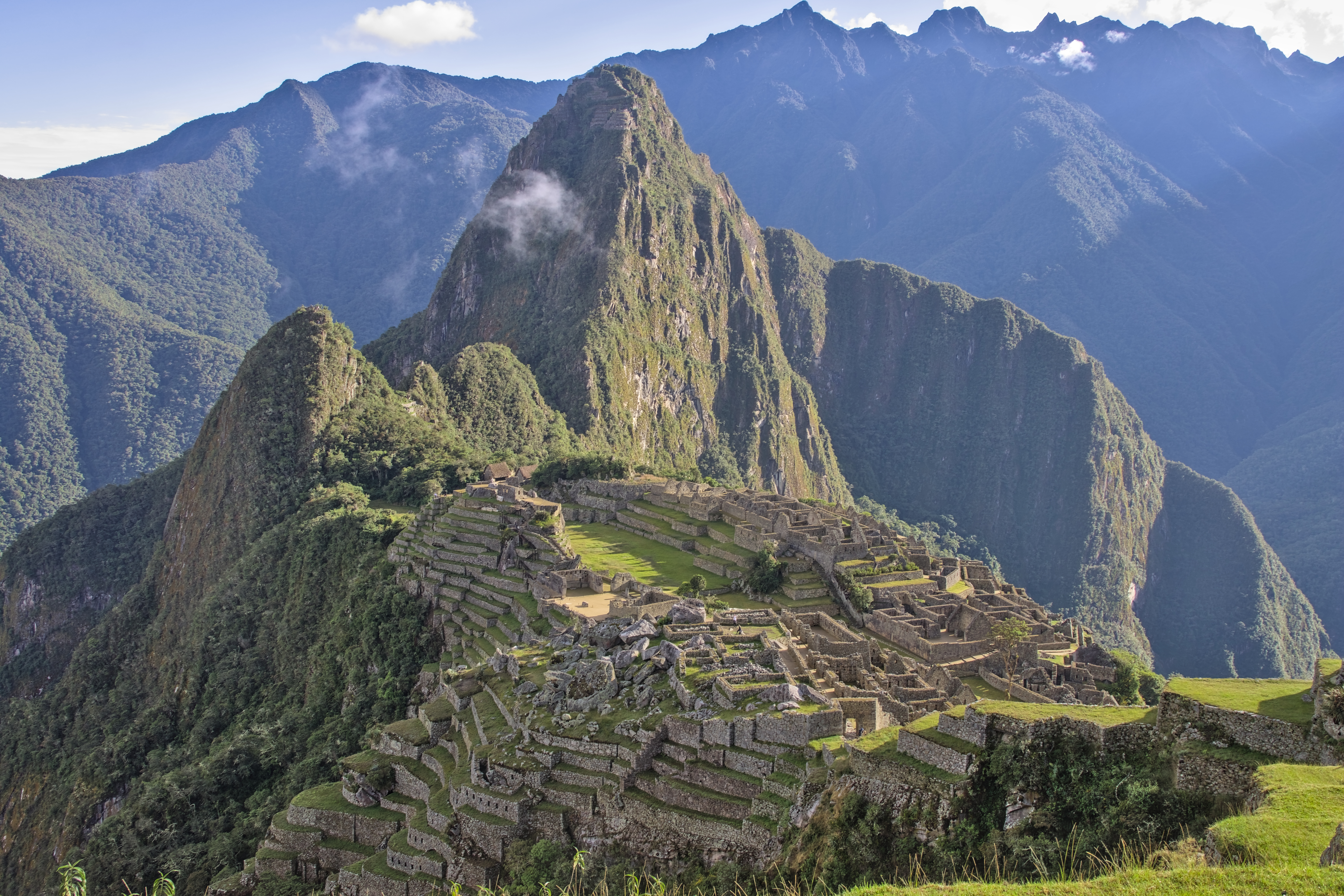
The very popularity that makes holy sites important also threatens their survival. Machu Picchu limits daily visitors to 4,044. Angkor Wat's foundations are stressed by millions of feet annually. The Camino's popularity strains rural communities along the route.
Practical Steps
Choose Off-Peak Times
Visiting outside peak seasons reduces your environmental impact and often provides a more meaningful experience. A quiet Tuesday at Borobudur beats an overcrowded Sunday.
Stay Local
Choose locally owned accommodations and eat at local restaurants. Your money supports the communities that maintain these sacred sites.
Minimize Waste
Carry a reusable water bottle, avoid single-use plastics, and pack out everything you bring in. Many sacred sites in developing countries lack waste management infrastructure.
Respect Carrying Capacity
If a site has visitor limits, respect them. Book in advance rather than showing up hoping to squeeze in. Consider lesser-known alternatives — every region has sacred sites beyond the famous ones.
Carbon Offset
Long-haul flights to sacred sites generate significant carbon emissions. Consider carbon offset programs, or balance air travel with overland journeys.
Donate
Many sacred sites depend on visitor donations for maintenance and conservation. Even small contributions add up.
The Pilgrim's Responsibility
Traditional pilgrims understood that visiting a holy site was a privilege carrying obligations. Modern travelers can honor this tradition by ensuring that the sacred places we visit survive for future generations.
As the Buddhist teaching goes: "Leave nothing but footprints, take nothing but memories."