Going Underground: The World's Most Remarkable Subterranean Sacred Spaces
From the catacombs of Rome to Turkey's cave churches, explore holy sites hidden beneath the Earth's surface.
Sacred Depths
While most holy sites reach toward the sky, some of the world's most remarkable sacred spaces burrow deep into the Earth. These underground temples, churches, and shrines offer a different kind of spiritual experience — one of enclosure, protection, and return to the womb of creation.
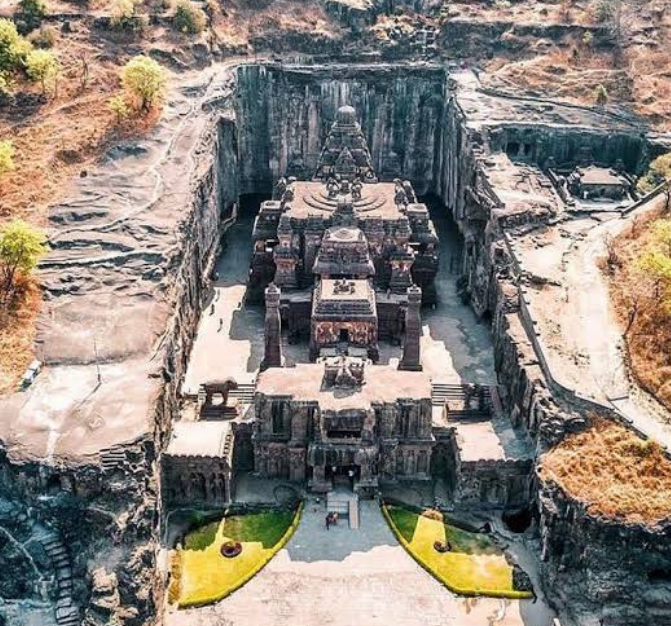
Ellora Caves, India
Thirty-four caves carved from living basalt rock over 500 years (600-1100 CE), representing three religions side by side. The Kailasa Temple (Cave 16) is the largest monolithic rock excavation in the world — carved from the top down, removing an estimated 200,000 tons of rock.
Cappadocia Cave Churches, Turkey
Early Christians fleeing persecution carved entire underground cities and churches into Cappadocia's soft volcanic tuff. The Göreme Open Air Museum contains rock-cut churches with vivid frescoes dating to the 10th-12th centuries.
Wieliczka Salt Mine Chapel, Poland
240 meters underground, the Chapel of St. Kinga is carved entirely from rock salt — including the chandeliers, altar, and relief sculptures. Miners created this space over generations as a place to pray before their dangerous work.
Lalibela, Ethiopia
Eleven churches carved from living rock in the 12th century, connected by underground tunnels. They were designed to be a "New Jerusalem" when the original was unreachable.
Western Wall Tunnels, Jerusalem
Beneath the visible Wall lies a hidden tunnel extending along the full 488-meter length of the Temple Mount's western wall. Walking through these tunnels, you're level with the original Temple foundations from 2,000 years ago.
Why Underground?
Underground sacred spaces share common qualities: constant temperature, profound silence, filtered light, and a sense of being held by the Earth itself. These qualities naturally promote the contemplation, stillness, and awe that spiritual practice seeks.