🐘 Goa Gajah (Elephant Cave)
Indonesia
About This Sacred Site
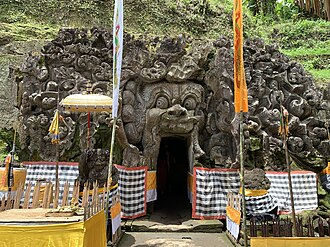
Goa Gajah, known as the Elephant Cave, is an archaeological site near Ubud dating to the 9th century that served as both a Hindu and Buddhist hermitage. The cave entrance features a fearsome carved face, through whose mouth visitors enter a T-shaped interior containing Hindu lingam-yoni symbols and a statue of the elephant-headed god Ganesha. Outside, bathing fountains featuring six female figures holding water spouts were only rediscovered in 1954. The site demonstrates the harmonious coexistence of Hindu and Buddhist traditions in ancient Bali.
Key Facts
- •Dating to the 9th century, it served as both a Hindu and Buddhist hermitage
- •The cave entrance features a fearsome carved demon face
- •Contains a lingam-yoni symbol and a statue of Ganesha inside the cave
- •The bathing fountains outside were only rediscovered in 1954
- •The name 'Elephant Cave' may refer to the nearby Petanu River, once called Lwa Gajah
Location
Coordinates: -8.5243, 115.2872
Related Holy Sites
Sacred places connected by country, religion, and purpose
🪷Borobudur
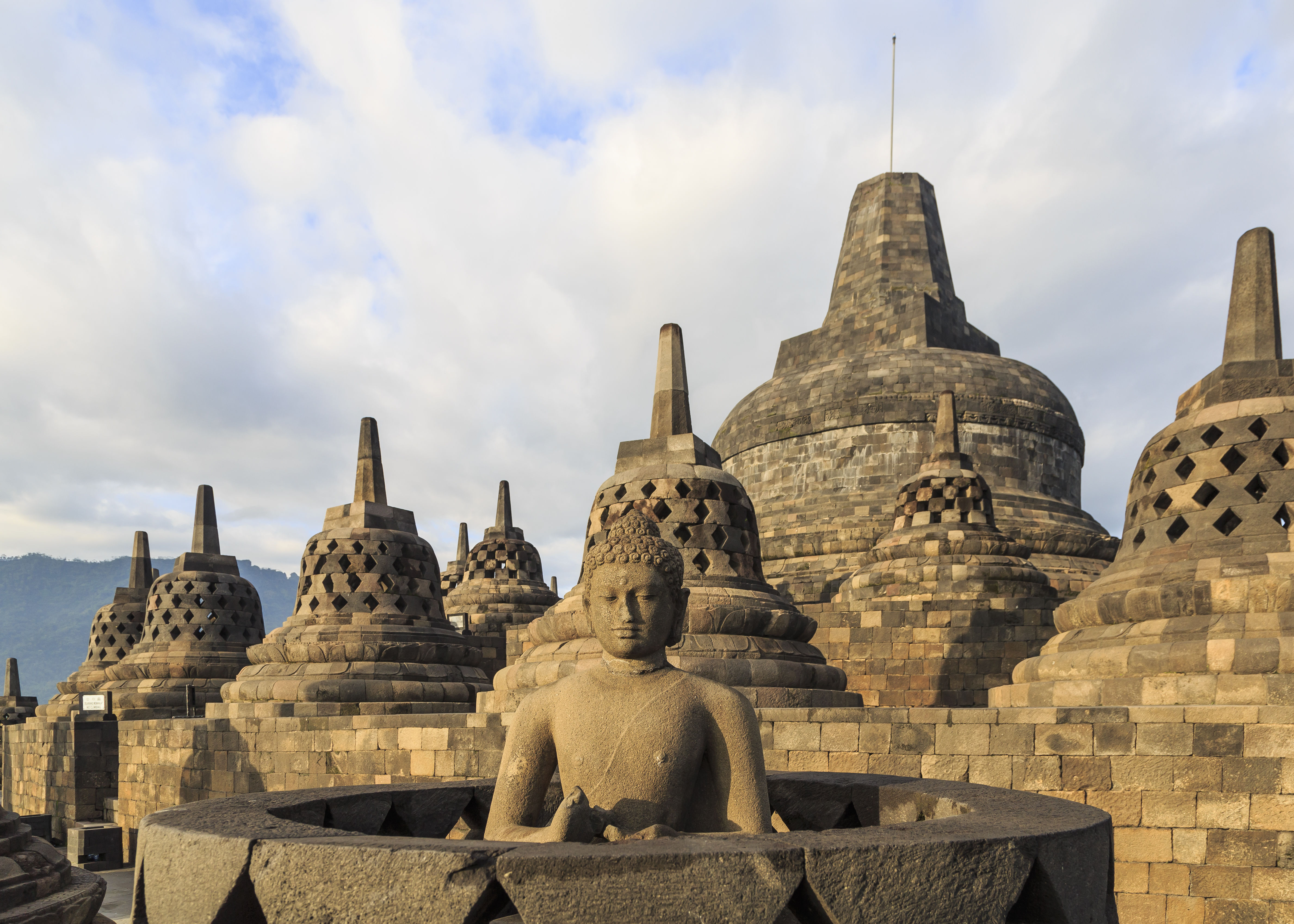
The world's largest Buddhist temple, with 2,672 relief panels.
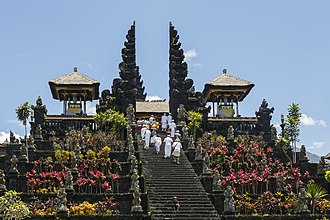
🏔️Pura Besakih (Mother Temple of Bali)
The holiest and largest Hindu temple complex in Bali, on the slopes of Mount Agung.
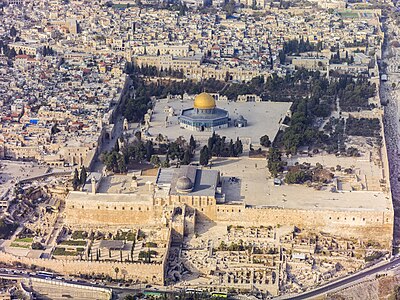
🕌Temple Mount / Al-Aqsa (Jerusalem)
Sacred to Judaism, Christianity, and Islam — the most contested holy site on Earth.
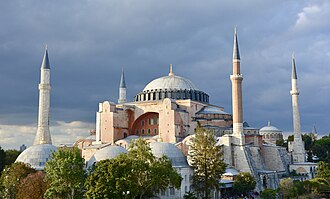
🏛️Hagia Sophia
A masterpiece that served as cathedral, mosque, and museum across centuries.